The Future of Work in the Artificial Intelligence Revolution

– 5 min read

While AI has already started to make its mark on the business world, we are still at the beginning stages of what could be a major disruption. Let’s spend a few minutes thinking about how AI will disrupt business, work, jobs, and income in the future.
One of the most immediate impacts of AI on work and jobs is the automation of routine tasks. AI-powered software and machines can perform tasks that were once done by humans, including data entry, customer service, and even some aspects of manufacturing. While this can increase efficiency and reduce costs for businesses, it can also result in job losses for workers who were once responsible for these tasks.
AI can also increase productivity in various industries. By analyzing data and providing insights, AI can help businesses make better decisions and optimize their operations. This can lead to increased efficiency and output, which can help businesses remain competitive and profitable. However, this could also lead to some jobs becoming redundant as the need for human labor decreases.
AI can also open up new business models and revenue streams. For example, businesses can use AI to personalize their products and services to individual customers, which can increase customer loyalty and sales. In addition, businesses can use AI to develop new products and services, such as chatbots or virtual assistants. This could lead to the creation of new jobs, as well as the need for workers with different skill sets.
As AI continues to advance, it is likely to change the job requirements and skillsets needed for various roles. Some jobs may require more technical knowledge, while others may require a greater understanding of AI and its capabilities. Additionally, some jobs may require more interpersonal skills, as AI takes over routine tasks and workers focus on more complex tasks that require human interaction.
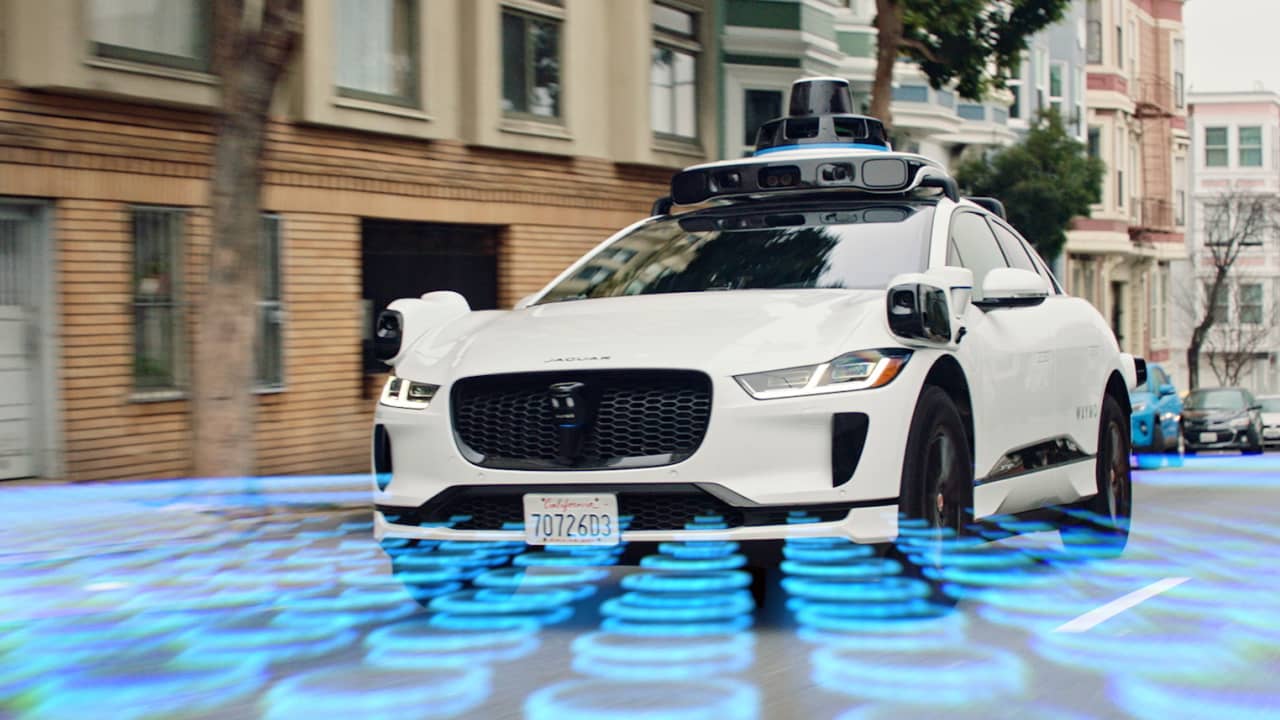
AI has the potential to disrupt traditional industries in significant ways. For example, self-driving cars could revolutionize the transportation industry, while 3D printing and robotics could transform the manufacturing industry. This could lead to job losses in some industries, while creating new opportunities in others.
As AI disrupts the job market, workers will need to re-skill and up-skill to remain competitive. This could include learning new technical skills or developing a greater understanding of AI and its capabilities. Employers will also need to invest in training and development programs to ensure their workers have the necessary skills to succeed in an AI-powered world.
Jobs that involve repetitive and routine tasks, such as data entry or assembly line work, are at high risk of being automated by AI. This is because AI algorithms can easily learn to perform these tasks with a high degree of accuracy and consistency, which can lead to significant cost savings for businesses.
With the rise of chatbots and virtual assistants, many customer service jobs are at risk of being replaced by AI-powered systems that can handle basic inquiries and support requests. This can include jobs such as call center agents, help desk support staff, and even front-line retail workers.
Self-driving vehicles and drones are poised to disrupt the transportation and logistics industries, which could lead to the elimination of jobs such as truck drivers, delivery drivers, and warehouse workers. While there may still be a need for some human oversight and maintenance, the overall number of jobs in these industries could be significantly reduced.
With the rise of AI-powered analytics tools, there is a growing trend toward automating data analysis and research tasks. This could lead to the elimination of jobs such as data analysts, market researchers, and even some types of scientists.
Advances in robotics and automation technology are making it increasingly feasible to automate many types of manufacturing and production jobs. This could include jobs such as machinists, welders, and other types of manual laborers.
While these are some of the jobs that are at highest risk of being eliminated by AI, it is important to note that many jobs will also be created as a result of this technology. For example, there will be an increased demand for workers with expertise in AI development and maintenance, as well as for jobs that require more complex problem-solving and interpersonal skills. As such, it will be important for workers to adapt and develop new skill sets in order to remain competitive in the changing job market.
AI has the potential to transform the healthcare industry by providing more accurate diagnoses, personalized treatment plans, and better patient outcomes. AI-powered tools can analyze patient data and medical imaging to detect patterns and make predictions, which can help doctors make more informed decisions.
When it comes to education, AI can be used to create personalized learning experiences for students, based on their individual needs and learning styles. AI-powered tools can also help teachers identify areas where students may be struggling and provide targeted interventions to help them succeed.
In the financial world, AI can be used to detect fraudulent activity and prevent financial crimes. It can also be used to analyze large amounts of data to identify investment opportunities and improve risk management.
When it comes to hiring and human resources, AI can be used to screen job applicants and identify candidates who are the best fit for a particular role. It can also be used to analyze employee data to identify trends and patterns that can help employers improve retention and performance.
For the creatives among us, AI can be used to enhance creative work in fields such as art, music, and design. For example, AI-powered tools can help artists generate new ideas or suggest alternative design options.
While some transportation jobs may be at risk of automation, AI can also enhance the industry by improving safety, reducing congestion, and providing real-time traffic updates.
Overall, the potential for AI to enhance and transform various industries is significant. While some jobs may be automated, there are also many opportunities for workers to develop new skills and work alongside AI-powered tools to improve efficiency and productivity.