The Most Loyal Customer Base We Have Ever Seen in a Franchise FDD
Seven visits per year. That is not a coffee habit. That is genuine community. And it is the foundation of one of the most distinctive and durable specialty retail franchise concepts I have encountered in this industry.
Seven visits per year. That is not a coffee habit. That is genuine community.
I have reviewed hundreds of FDDs over the course of my career. I have seen strong Item 19 numbers, impressive unit counts, and compelling growth trajectories. But every so often I come across a data point that genuinely stops me.
This week it was a customer loyalty metric. The brand I am introducing today runs a membership program for its most engaged customers. Those members visit the store an average of nearly seven times per year. They spend roughly $76 per visit. And they account for approximately 80% of total store sales despite representing only about half of all customers.
Seven visits per year. That is not a coffee habit. That is genuine community. And it is the foundation of one of the most distinctive and durable specialty retail franchise concepts I have encountered in this industry.
What This Business Actually Is
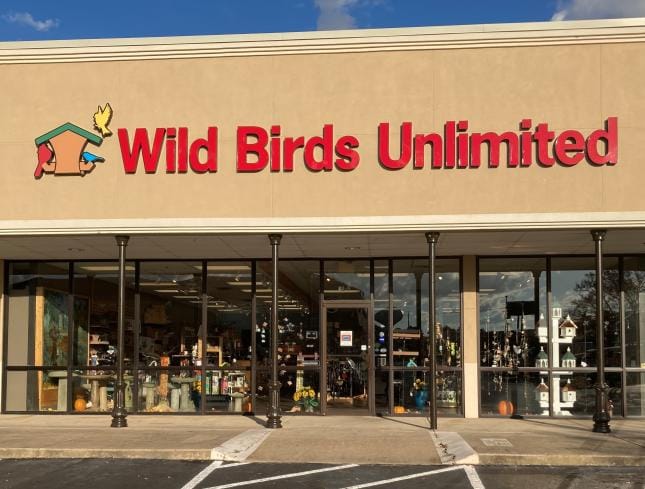
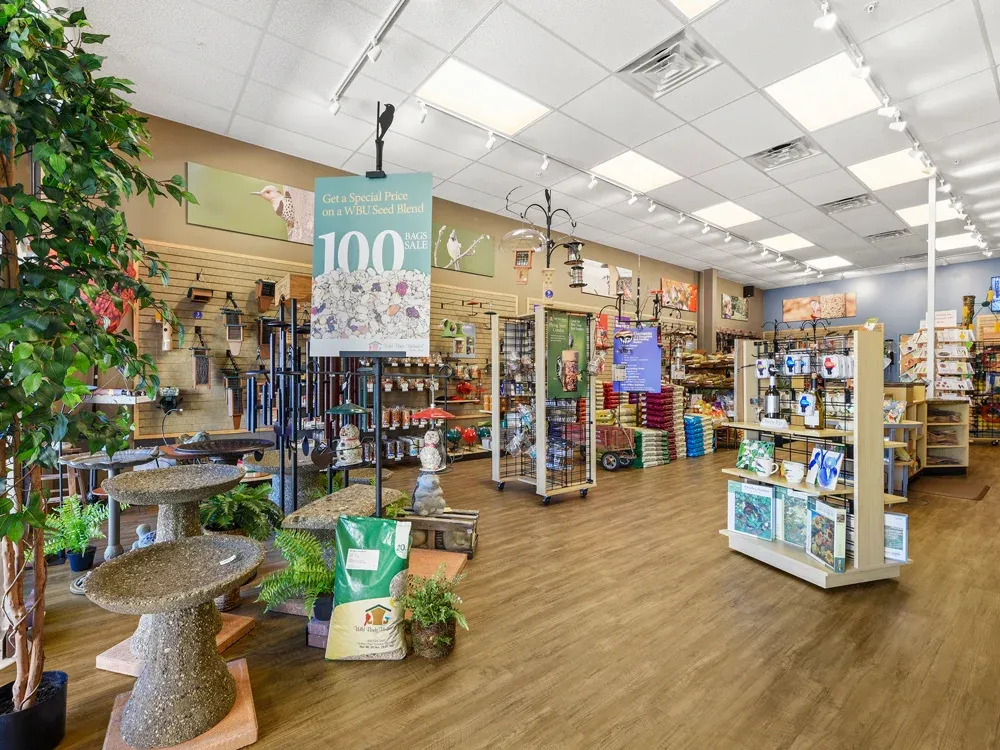
Wild Birds Unlimited is a specialty retail franchise focused on backyard bird feeding and nature-based products. Birdseed, feeders, bird baths, houses, nature-oriented gifts, optics, and related accessories. The store is a destination for a highly passionate and growing consumer segment, one that expanded significantly during and after COVID as people rediscovered their yards, their neighborhoods, and the natural world immediately outside their windows.
The customer base this concept attracts is not casual. It is deeply engaged. People who feed birds tend to do it consistently, year after year, through multiple seasons and across the full arc of their lives. They upgrade their feeders. They try new seed blends. They bring their grandchildren in. They refer their neighbors. And they join the membership program and become the recurring revenue engine that makes this business model hum.
Forty-Plus Years of Proof
This brand was founded in 1981. It has been franchising for more than four decades, which gives it an operating history that the vast majority of franchise concepts in any category simply cannot match. The system currently operates 344 franchised locations across the United States, and the outlet trajectory tells a story of genuine stability. The system grew from 333 locations at the start of 2023 to 344 by the end of 2025, with minimal terminations and a transfer market that is active enough to signal that these locations hold real resale value.
The brand operates under an employee stock ownership plan structure, meaning employees own a meaningful stake in the franchisor itself. That is an unusual ownership model in franchising and one that tends to produce a different kind of institutional culture, one where the people supporting you as a franchisee have a personal stake in the system's long-term health rather than a short-term interest in maximizing fee income.
What the Numbers Show
The 2026 FDD provides one of the most comprehensive Item 19 disclosures I review regularly. Five schedules of data covering same-store sales trends, gross sales by cohort and performance tier, cost structures, and owner's discretionary cash flow.
For the 326 stores open for at least 24 months in 2025, average annual gross sales came in at $852,550, with a median of $780,955. The top half of the system averaged $1,160,476. The bottom half averaged $544,625.
Owner's discretionary cash flow, which accounts for all operating expenses including cost of goods, wages, occupancy, marketing, royalties, and everything else before adding back owner compensation and personal benefits, averaged $135,867 across 310 reporting stores in 2025, with a median of $114,066. The top half of the system averaged $221,075 in owner's discretionary cash flow.
For context on the ramp period: new stores averaged approximately $342,000 in gross sales in their first full year and $407,000 in their second. First-year owner cash flow was slightly negative on average, a realistic reflection of the investment required to build a customer base in a new market. By year three, average owner cash flow had reached $43,170 and was growing. Mature stores in the top half of the system tell a considerably more compelling financial story.
Cost of goods sold runs approximately 47% of gross sales, which reflects the product-intensive nature of a specialty retail operation. That is not unusual for a retail concept but is worth understanding clearly before evaluating the model.
Who This Is For
This is not a home-based or mobile franchise. It is a physical retail store, typically located in a neighborhood strip center or freestanding building, and it requires an owner who is genuinely connected to the community it serves. The most successful operators of this concept tend to be people who have a personal passion for the natural world, who find genuine satisfaction in building relationships with customers who keep coming back, and who want to own a business that feels like a meaningful part of their community rather than just a revenue vehicle.
If that describes you, and if the idea of building a business around one of the most loyal and passionate consumer communities in specialty retail genuinely appeals to you, this is a conversation worth having.
Schedule a 20-minute Zoom meeting to learn more about Wild Birds Unlimited, the business model, investment requirements, potential ROI, and the due-diligence & funding process.
Will Huffhine is a business ownership strategist and founder of Quantum Franchise Group. He works with professionals exploring franchise ownership, business acquisition and entrepreneurship and leads a national team of franchise consultants.