Effective Marketing Strategies For Small Businesses
Day Nine of the Thirty Day Series: The Business Builder's Playbook

– 3 min read

Day Nine of the Thirty Day Series: The Business Builder's Playbook
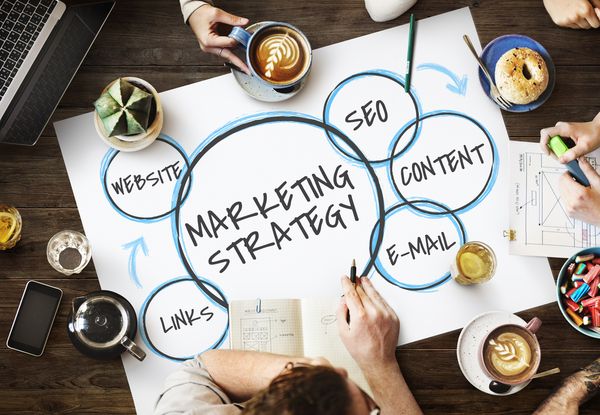
Limited budgets and resources demand strategic thinking to maximize impact. Aspiring and new business owners need to adopt effective marketing strategies that not only reach their target audience but also establish a strong brand presence. In this guide, we'll explore key marketing strategies tailored for small businesses, providing actionable insights for success.
Know Your Audience: Targeted Marketing
Understanding your audience is the cornerstone of any successful marketing strategy. Small businesses should invest time and resources in identifying their target demographic. Conduct market research, analyze customer behavior, and create detailed buyer personas. Tailoring your marketing efforts to address the specific needs and preferences of your audience ensures that your message resonates effectively.
Embrace the Power of Digital Marketing
In the digital age, an online presence is non-negotiable for small businesses. Leverage digital marketing channels such as social media, content marketing, email campaigns, and search engine optimization (SEO) to expand your reach. Utilize platforms like Facebook, Instagram, and Google Ads to target your audience with precision. An active and engaging online presence helps build brand awareness and fosters customer engagement.
Harness the Strength of Local SEO
For small businesses with a physical presence, optimizing for local search is paramount. Claim and verify your Google My Business listing, ensure accurate business information, and encourage satisfied customers to leave positive reviews. Local SEO tactics improve your visibility in local search results, helping potential customers discover your business when they're actively looking for products or services in your area.

Cultivate a Strong Social Media Presence
Social media platforms serve as dynamic tools for small businesses to connect with their audience, showcase their brand personality, and drive engagement. Choose platforms relevant to your target audience and industry, and consistently share content that adds value. Use a mix of visuals, videos, and written content to keep your audience engaged and create a community around your brand.
Leverage Influencer Marketing
Influencer marketing is not just for big brands with massive budgets. Identify influencers within your niche or local community who align with your brand values and have an engaged following. Collaborate with influencers for product reviews, sponsored posts, or joint campaigns. The authenticity and reach of influencers can significantly amplify your small business's visibility and credibility.
Implement Referral Programs
Word-of-mouth marketing remains a potent force for small businesses. Encourage satisfied customers to become brand ambassadors by implementing referral programs. Offer incentives such as discounts, exclusive access, or loyalty points for customers who refer others to your business. A well-executed referral program leverages existing customer satisfaction to drive new business.
Utilize Cost-Effective Content Marketing
Content marketing is a cost-effective strategy that allows small businesses to showcase their expertise, build trust, and drive organic traffic. Create high-quality blog posts, articles, and multimedia content that addresses the needs and interests of your target audience. Consistent, valuable content not only establishes your brand as an authority but also contributes to better search engine rankings.
Conclusion: Maximizing Impact on a Budget
Small businesses may have limited resources, but that doesn't mean compromising on the effectiveness of their marketing efforts. By understanding their audience, embracing digital channels, optimizing for local search, cultivating a social media presence, leveraging influencers, implementing referral programs, and utilizing content marketing, small business owners can maximize their impact on a budget. These strategies empower entrepreneurs to create meaningful connections with their audience, establish a strong brand presence, and pave the way for sustainable growth in a competitive market. Embrace these tactics, adapt them to your business needs, and watch your small business thrive in the world of effective marketing.

Quantum Franchise Group is a full service franchise brokerage representing over 800 brands across 37 industries. We are a member of the Franchise Brokers Association with certification in FTC compliance. Since March, 2022, Quantum President William Huffhine has helped aspiring business owners to open nearly 100 franchises across the United States.
We serve aspiring business owners, at no cost to them, by guiding them step-by-step through the entire 6-step franchise ownership process.
Our role is not to sell. We're in the relationship business. Our role is to guide our clients toward successful business ownership with great franchise opportunities. All of our brands are carefully evaluated and vetted so our clients can be assured that all of the work we do together will be in their best interest.