How to Create a Pro-Forma Profit and Loss Statement for Your New Business

– 5 min read

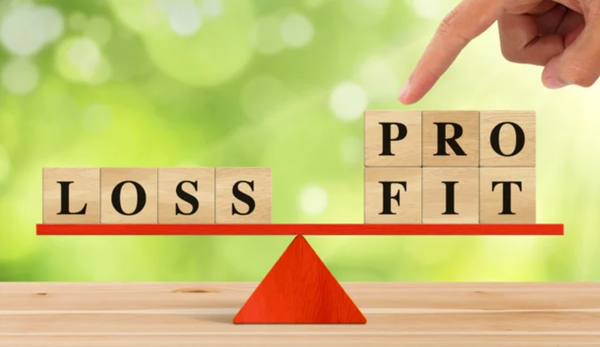
As an aspiring entrepreneur, one of the fundamental tools you need in your arsenal is a pro-forma profit and loss statement. This financial document not only helps you chart your business's course but also serves as a blueprint for financial success. In this comprehensive guide, we'll walk you through the process of creating a pro-forma profit and loss statement that will empower you to make informed decisions, secure financing, and steer your new venture toward profitability.
A pro-forma profit and loss (P&L) statement, also known as an income statement, is a financial document that provides a snapshot of your business's expected revenues, costs, and expenses over a specific period—typically a year. It's a projection or estimate that allows you to anticipate how your business will perform financially.
Your pro-forma P&L statement helps you answer critical questions:
It's a financial roadmap that guides your business planning, budgeting, and decision-making.
Creating a pro-forma P&L statement is not just a financial exercise; it's a strategic tool for your new business. Here's why it's crucial:
Now, let's dive into the step-by-step process of creating your pro-forma P&L statement for your new business.

Before you start building your pro-forma P&L statement, gather the necessary financial data and information. Here's what you'll need:
A well-structured pro-forma P&L statement typically consists of the following sections:
When creating your pro-forma P&L statement, it's crucial to be realistic and conservative in your estimates. Avoid overly optimistic projections, as they can lead to unrealistic expectations and poor financial planning. Instead, consider these tips:
Leverage financial software or templates to streamline the creation of your pro-forma P&L statement. Programs like Microsoft Excel or Google Sheets offer pre-built templates that facilitate data input and automate calculations. Alternatively, consider using accounting software that includes forecasting and budgeting features.
Your pro-forma P&L statement is not a static document; it's a dynamic tool that should evolve with your business. Regularly review and update your projections to reflect your actual financial performance and changing circumstances. Comparing your real results to your projections will help you identify trends and make informed financial decisions.
Creating a pro-forma P&L statement can be complex, especially if you're not well-versed in financial statements and forecasting. Don't hesitate to seek professional guidance from a certified accountant or financial advisor. They can provide valuable insights, ensure accuracy, and help you make informed financial decisions.
It serves as a roadmap, helping you set realistic financial goals, make informed decisions, secure financing, and track your financial progress over time. By following the steps outlined in this comprehensive guide and seeking professional advice when needed, you'll be better equipped to manage your new business's financial health and achieve your entrepreneurial dreams. Remember, financial planning is an ongoing process, and adapting to changing circumstances is key to your business's success.
Quantum Franchise Group is a full service franchise brokerage representing over 800 brands across 39 industries. We are a member of the Franchise Brokers Association with certification in FTC compliance. Since March, 2022, Quantum President William Huffhine has consistently helped aspiring business owners open 5 to 10 franchise locations per month across the United States.
We serve aspiring business owners, at no cost to them, by guiding them step-by-step through the entire 6-step franchise ownership process.
Our role is not to sell. We're in the relationship business. Our role is to guide our clients toward successful business ownership with great franchise opportunities. All of our brands are carefully evaluated and vetted so our clients can be assured that all of the work we do together will be in their best interest.