This Business Puts Seniors First and Still Makes Financial Sense
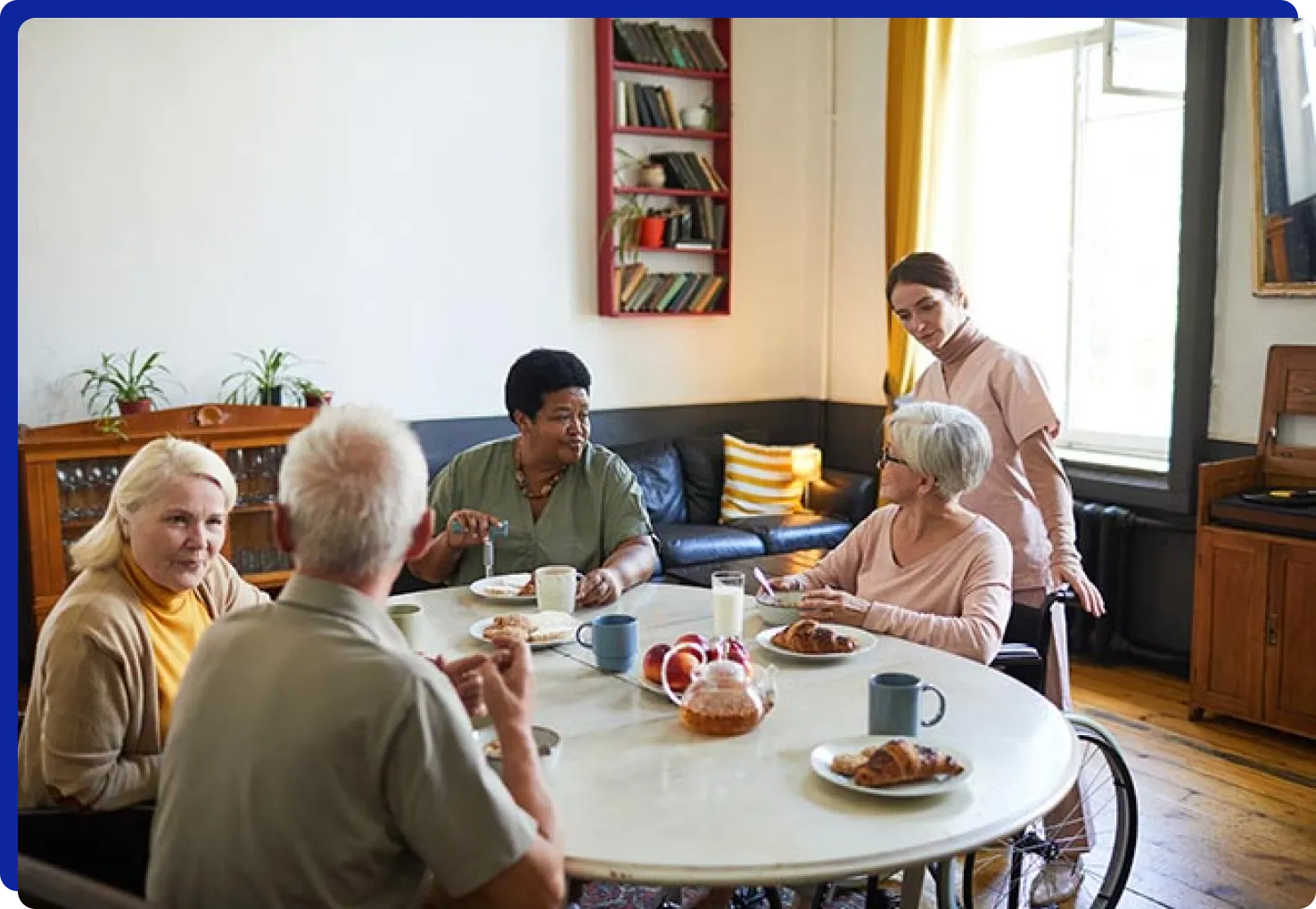
This is a residential assisted living franchise. Not a large institutional facility. Not a nursing home. A residential home, typically a minimum of 2,500 square feet, licensed and staffed around the clock, providing 24-hour non-medical care to a small group of senior residents.
There are franchises that generate income. There are franchises that generate income and also make you feel genuinely good about what you built.
The second category is rarer than people think, and the concept I'm introducing today belongs squarely inside it.
This is a residential assisted living franchise. Not a large institutional facility. Not a nursing home. A residential home, typically a minimum of 2,500 square feet, licensed and staffed around the clock, providing 24-hour non-medical care to a small group of senior residents in an environment that actually feels like a home rather than a healthcare institution.
That distinction matters more than most people realize, and I want to explain why it matters both for the residents and for the business.
What This Business Actually Does
Trained caregivers live and work in the residence around the clock, providing meal preparation, assistance with daily living activities including bathing, dressing, and personal hygiene, medication management, and the kind of structured social engagement that large facilities consistently fail to provide with any real depth of attention.
The residents who thrive in this setting are seniors who need support but who still deserve dignity, personal attention, and a living environment that does not feel like a ward. The residential model delivers that in a way that a 200-bed institutional facility structurally cannot. The ratio of caregivers to residents is fundamentally different. The personal relationships that develop between staff and residents are fundamentally different. The quality of daily life is measurably better by virtually every measure that matters to families making one of the hardest decisions they will ever face.
For the owner, the model also makes economic sense in a way that is worth understanding clearly.
The Economics of 24-Hour Occupancy
Most businesses earn revenue during operating hours. A residential assisted living home earns revenue around the clock, every day of the year, because residents are not customers who visit and leave. They live there. Once a bed is filled, that resident's monthly care rate generates income every day of every month for the duration of their stay. That is a recurring revenue model with a depth of retention that very few businesses in any category can match.
The residential assisted living industry as a whole has seen monthly private-pay care rates ranging from approximately $3,000 to $8,000 or more per resident depending on care level, location, and the quality of the facility. A well-run home operating at or near capacity generates meaningful annual gross revenue from a relatively small physical footprint, without the volume pressure that restaurant or retail models live and die by.
The total investment to open a new home under this franchise ranges from $89,890 to $862,000, with the wide range reflecting the variability in real estate costs, whether you are purchasing or converting an existing property, and what renovation or build-out the specific property requires. The conversion path for an existing facility owner runs from $50,390 to $822,500. The initial franchise fee is $49,500 for a standard new franchisee.
The ongoing royalty is 6% of gross sales beginning in the second month of operation, with a minimum of $900 per month commencing in month 13. Technology and local advertising fees add approximately $400 per month in additional committed costs.
A System That Is Actually Growing
What I look at first in any franchise is the trajectory of the system. This one is moving in the right direction with momentum that is difficult to ignore.
The system grew from 7 franchised locations at the start of 2023 to 32 by the end of 2025, including a net addition of 15 locations in 2025 alone. There were zero terminations in 2025. The brand has no company-owned locations, which means the franchisor's resources and attention are fully committed to supporting the people who actually own and operate the homes. The system now operates across Arizona, Florida, Michigan, North Carolina, Oregon, Tennessee, Texas, and Wisconsin, with additional states projected to open in the coming year.
Who This Business Is For
This is not for the passive investor looking for a semi-absentee opportunity. Residential assisted living is relationship-intensive work that requires an owner who is genuinely invested in the quality of care their home provides. It is for the entrepreneur who wants to build something profitable and meaningful simultaneously, someone who has the organizational ability to hire and manage a reliable caregiving team, the financial literacy to run a licensed residential care operation, and the personal conviction that senior citizens deserve better than what most institutional settings offer.
There is a growing movement in this country of entrepreneurs who are choosing business models that serve a genuine human need at the deepest level. This concept sits at the intersection of that movement and the most significant demographic shift of our time.
The baby boomer generation is aging. The demand for dignified, high-quality residential care is expanding year after year. And most of the country remains wide open for the right owner to build a home worth being proud of.
If this resonates with you, schedule a 20-minute Zoom to learn more about the franchise and whether this is the right fit for your goals, your market, and the kind of business you actually want to build.
Will Huffhine is a business ownership strategist and founder of Quantum Franchise Group. He works with professionals exploring franchise ownership, business acquisition and entrepreneurship and leads a national team of franchise consultants.