Is Buying a Franchise Risky? Here's What I Tell My Clients.
Buying a franchise is starting a business, and starting a business comes with uncertainty. But there are ways to make a more informed decision, ask better questions, and potentially reduce your risk.
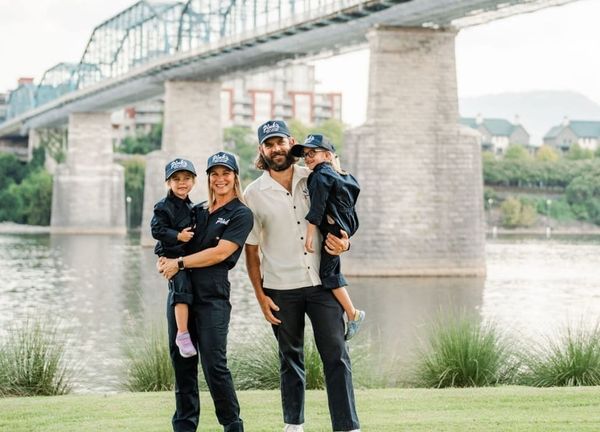
When my husband and I decided to invest in our first franchise, we weren't just making a business decision.
We were making a decision that would affect our entire family. We had two young daughters, and we were putting our own money on the line. We believed in the opportunity, but we also had to ask ourselves a difficult question:
If this doesn't work out, will we still be okay?
Today, as a franchise consultant, that's one of the most important questions I encourage prospective buyers to ask themselves.
One of the most common questions I get is, "How risky is buying a franchise?"
My answer? Of course there's risk.
Buying a franchise is starting a business, and starting a business comes with uncertainty. But there are ways to make a more informed decision, ask better questions, and potentially reduce your risk.
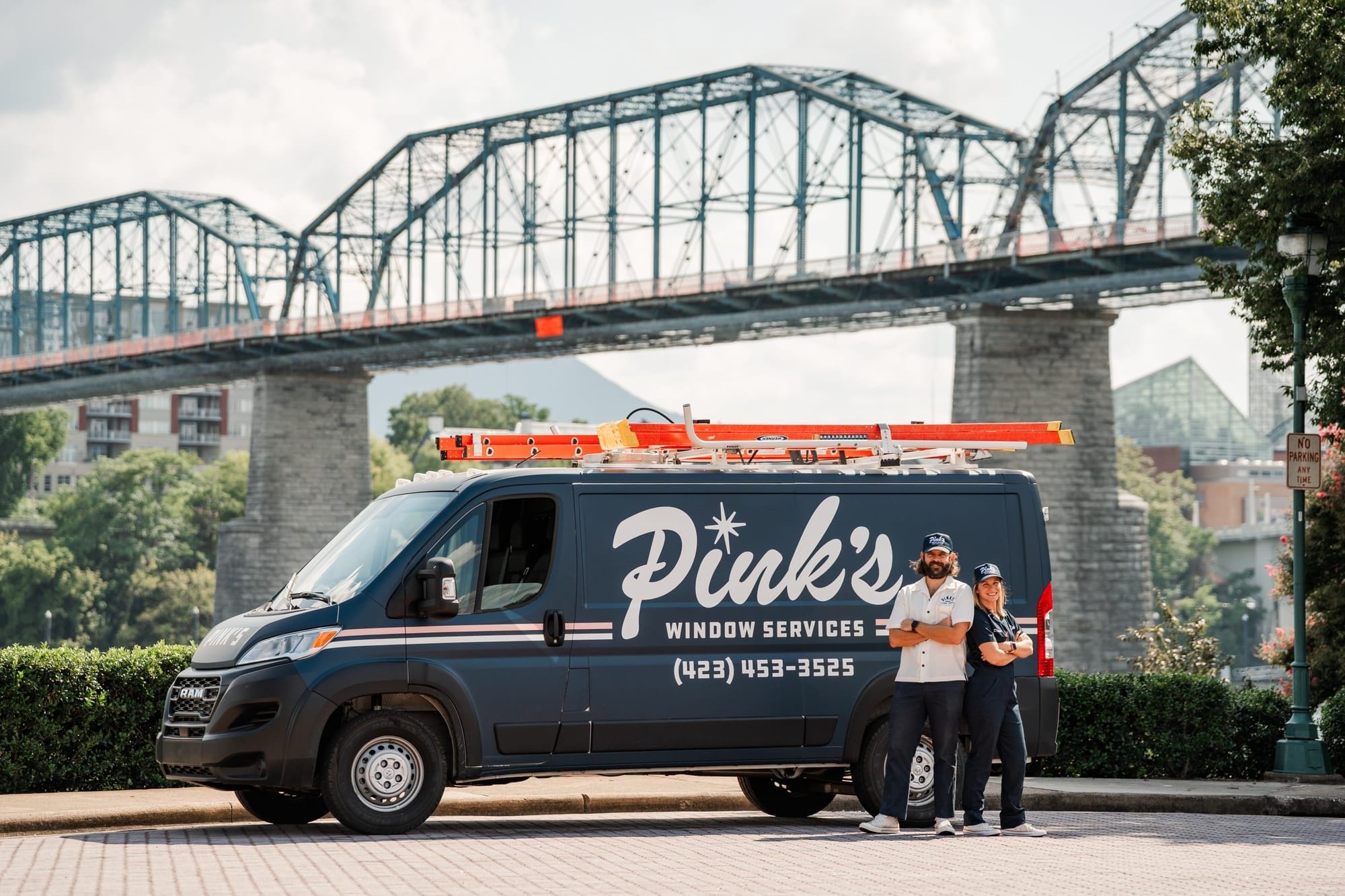
My husband and I now own five Pink's Window Services franchise territories across Chattanooga and North Metro Atlanta. We've experienced firsthand what it takes to get a business off the ground, hire employees, build a customer base, and establish a reputation in our communities.
And here's one thing I tell every prospective buyer: Franchise ownership is not passive income.
Even if you hire a general manager, you still have responsibilities as the owner. You're overseeing financial performance, supporting your team, and making important decisions.
Some franchise models require more involvement than others, but if you're looking for an investment that requires absolutely none of your time, franchise ownership probably isn't the right fit.
Not All Franchises Carry the Same Risks
One of the first things I look at when evaluating a franchise is where the brand is in its growth. An emerging franchise with fewer than 20 locations may offer opportunities to secure desirable territories, but there's less operating history to evaluate.
A growing franchise with 20–100 locations has more franchisees to learn from, although the systems and processes may still be evolving.
More established brands with 100 or even 500+ locations often have longer operating histories, more developed systems, and a larger network of franchisees to validate with. However, some of the most desirable territories may already be taken.
These aren't official industry classifications, but they're a useful way to think about different stages of franchise growth. And bigger doesn't automatically mean better. What matters is whether the business model, financial requirements, leadership, and support systems align with your goals.
Do Your Homework. Then Do Some More.
One of the most important parts of buying a franchise is something called franchisee validation.
This is when you speak directly with people who already own the franchise you're considering. And I encourage my clients to talk to as many owners as possible. Ask them about their first year. Their second year. How long it took to become profitable. What surprised them. What they wish they'd known before getting started.
But here's something people sometimes overlook: Talk to franchise owners who look like the owner you want to be.
If you're planning to hire a general manager, talk to owners who operate that way. If you're opening in a smaller market like Chattanooga, try to connect with owners in communities with similar populations and demographics. A franchise operating in Seattle may have very different economics than one operating in Southeast Tennessee.
I also pay close attention to the franchisor itself. Are they focused on selling as many territories as possible? Or are they investing time and resources into helping their existing franchisees succeed?
Sometimes a brand slowing down its expansion to focus on supporting current owners can be a positive sign. Because selling franchises is one thing. Helping franchisees build profitable businesses is another.
Can Your Family Afford the Risk?
This might be the most important question of all. When my husband and I invested in our franchise, we weren't just thinking about the potential income. We were thinking about our family and the kind of life we wanted to build.
I encourage every prospective buyer to ask themselves: If this business didn't work out, would my family still be financially okay? Don't put yourself in a position where one unsuccessful business venture could wipe out everything you've worked for.
Understand how much capital you'll need to open the business, how much working capital you'll need while it grows, and what happens if it takes longer than expected to become profitable.
And please, talk to professionals. A qualified accountant can help you evaluate the financial implications. A franchise attorney can help you understand the legal obligations you're taking on.
Review the Franchise Disclosure Document (FDD), particularly the financial performance information in Item 19, if provided, and the franchise openings, closures, and transfers disclosed in Item 20.
As a Quantum Franchise Group consultant affiliated with the Franchise Brokers Association (FBA), I can help connect my clients with resources and professionals who specialize in franchise transactions. My role isn't to tell someone whether they can afford an investment or guarantee that a particular franchise will succeed. It's to help them navigate the process, ask the right questions, and gather the information they need to make an informed decision.
This Should Be a "Hell Yes" Decision
Many franchise agreements carry an initial term of 10 years.
Think about that.
You're potentially making a commitment that will affect your finances, your career, and your family for the next decade. That's not a decision you should make after watching a great brand presentation.
The franchise discovery process often takes two to three months, sometimes longer. During that time, you're learning about the business model, reviewing financial information, speaking with franchise owners, meeting the leadership team, and evaluating whether the opportunity is truly right for you.
And you should never feel rushed into signing an agreement before you've completed your due diligence. At the end of the day, my goal isn't to convince everyone I meet to buy a franchise. Franchise ownership isn't right for everyone.
My goal is to help people determine whether business ownership is the right next chapter for them and their families.
Because when you're making a decision this big, you deserve to go into it with your eyes wide open.
And if you're going to sign a 10-year agreement, I want you to feel confident that you've done your homework. Not because someone sold you on the opportunity. But because you've decided it's the right opportunity for you.
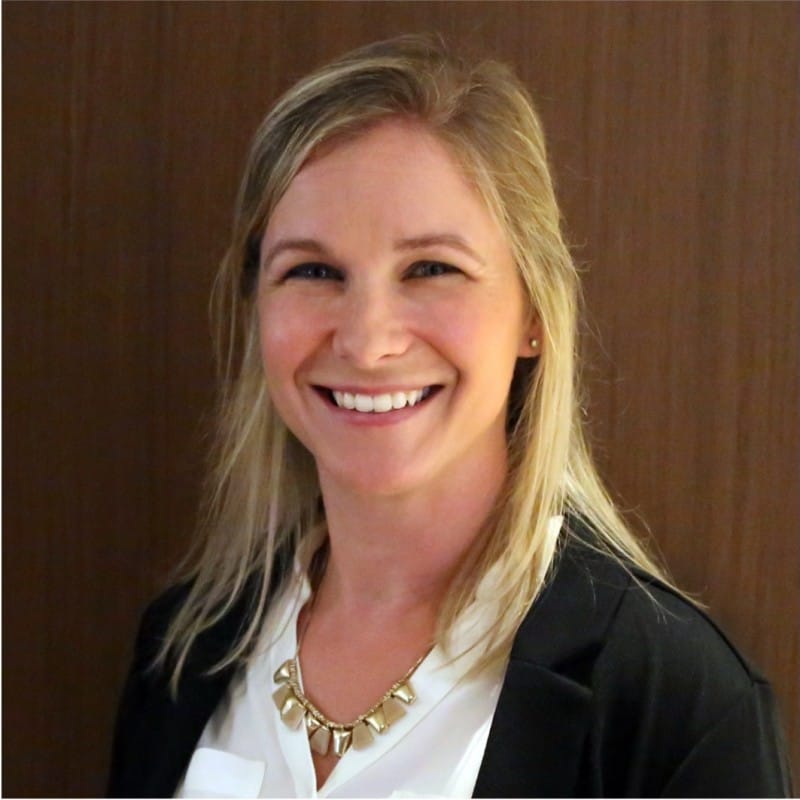
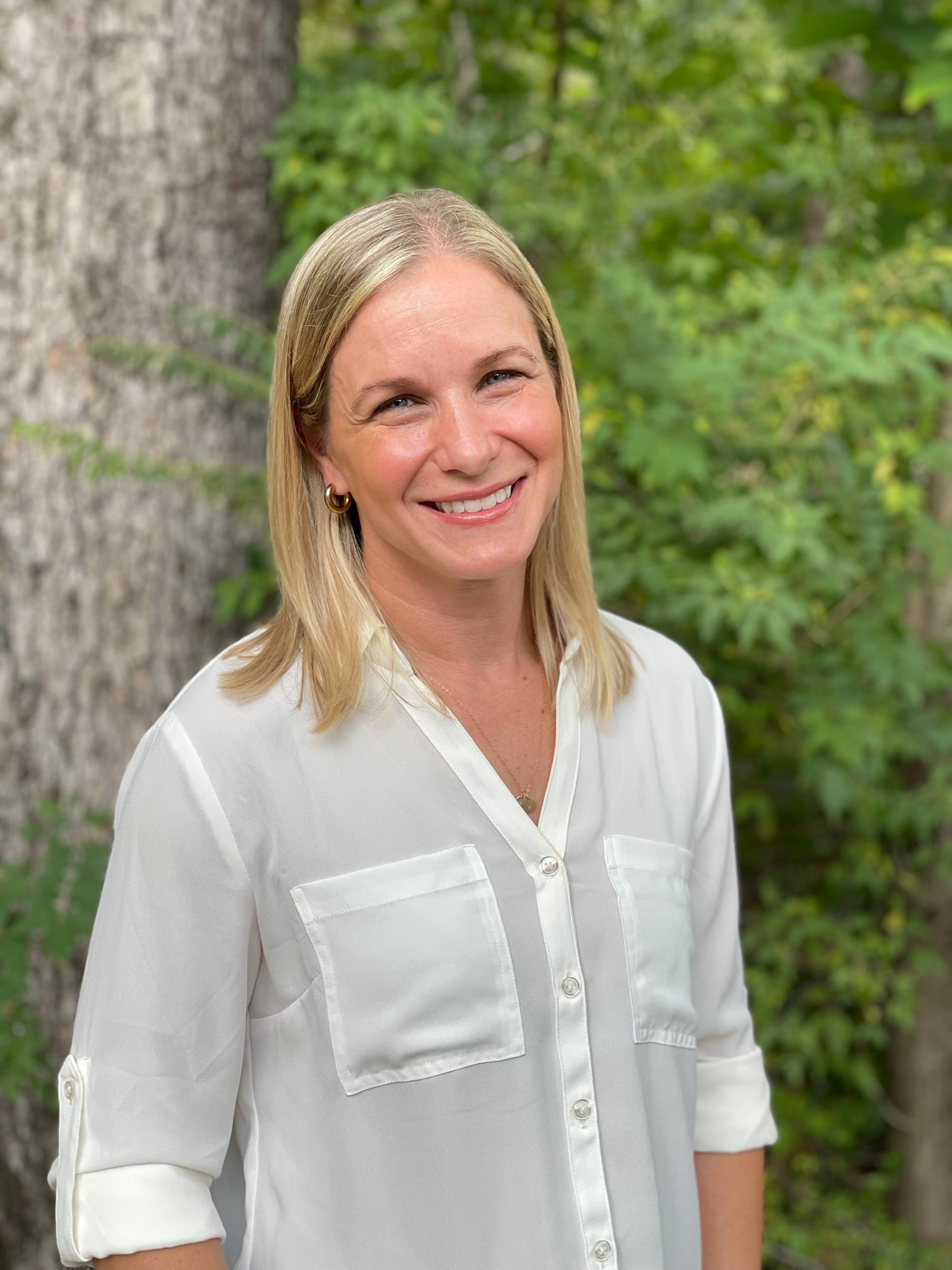
Diana Miller is a franchise consultant with Quantum Franchise Group and a multi-unit franchise owner. Alongside her husband, Mike, she owns five Pink's Window Services territories in Tennessee and Georgia. Through Franchise with Diana, she helps aspiring entrepreneurs explore franchise ownership and existing business owners plan their next chapter.
Diana Miller is a multi-territory franchise owner and franchise consultant who helps aspiring entrepreneurs explore business ownership. She shares real-world lessons from building and growing service businesses with her husband, Mike.