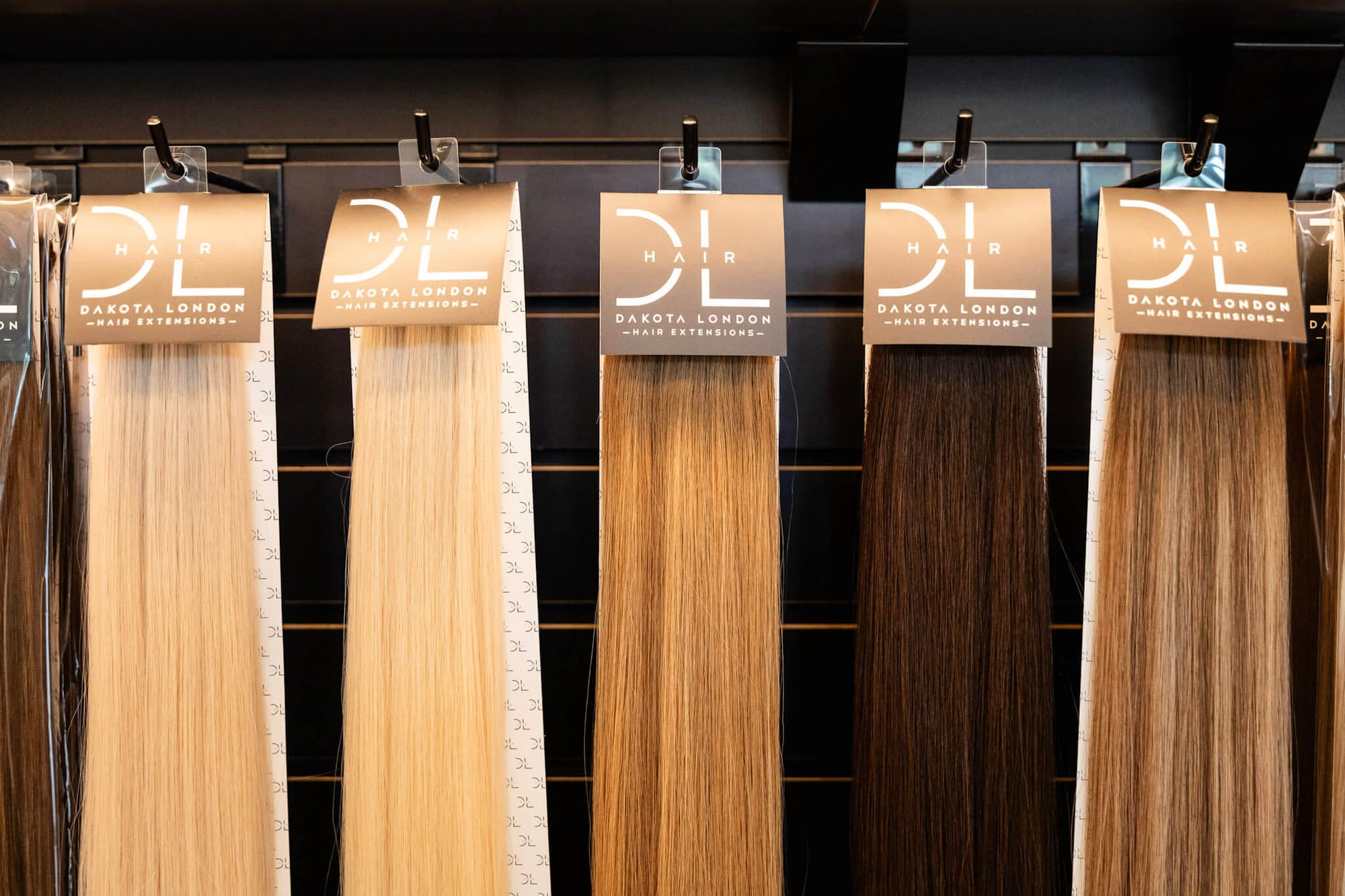
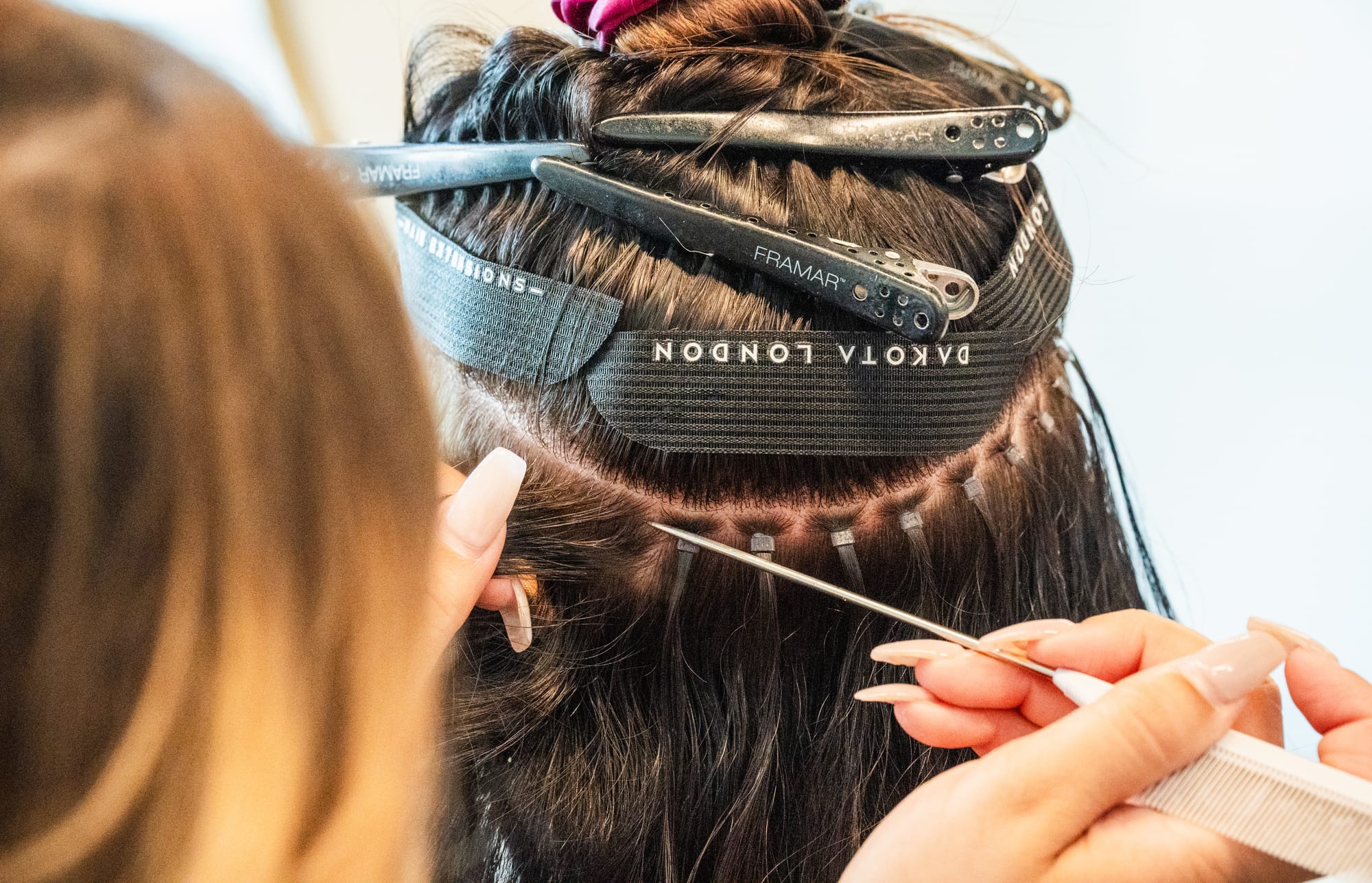
Dakota London does one thing: hair extensions. Not cuts. Not color. Not general styling. Extensions only, installed and maintained with professional-grade, heat-free, glue-free micro-link and micro-weft methods.
There is a version of the beauty industry that tries to do everything.
Cut. Color. Blowouts. Facials. Lashes. Waxing. Whatever walks through the door. Most salons are built this way, and most salon owners spend their careers managing chaos.
Dakota London is not that.
Dakota London does one thing: hair extensions. Not cuts. Not color. Not general styling. Extensions only, installed and maintained with professional-grade, heat-free, glue-free micro-link and micro-weft methods. That singular focus is either the most disciplined positioning in the beauty franchise space right now, or the riskiest. Depending on where you sit, it could be both.
From Scottsdale to a Franchise System
Katy and Scott Cotten opened the original salon in Scottsdale, Arizona in 2011 under the name AZ Strands. They spent the next decade building a clientele, refining their methods, and developing a proprietary product line sold through their affiliate company, DKL Products. They rebranded as Dakota London in 2019, opened additional company-owned locations in Chandler and Desert Ridge, and in December 2024 they began franchising.
That timeline matters. This is not a concept that was invented, rushed through a franchise development firm, and sold before anyone had figured out the operations. The Cottens have been running these salons for 13 years. Jenni Johnson, their VP of Franchise Operations, comes from Sit Still Franchising, where she served as SVP. The operational infrastructure appears to be real.
What the Numbers Actually Say
Because franchising began in December 2024, there were no franchised salons operating during the 2025 measuring year. The financial performance data in Item 19 of the FDD reflects the three company-owned salons only: Scottsdale, Desert Ridge, and Chandler.
Here is what those three locations produced in 2025.
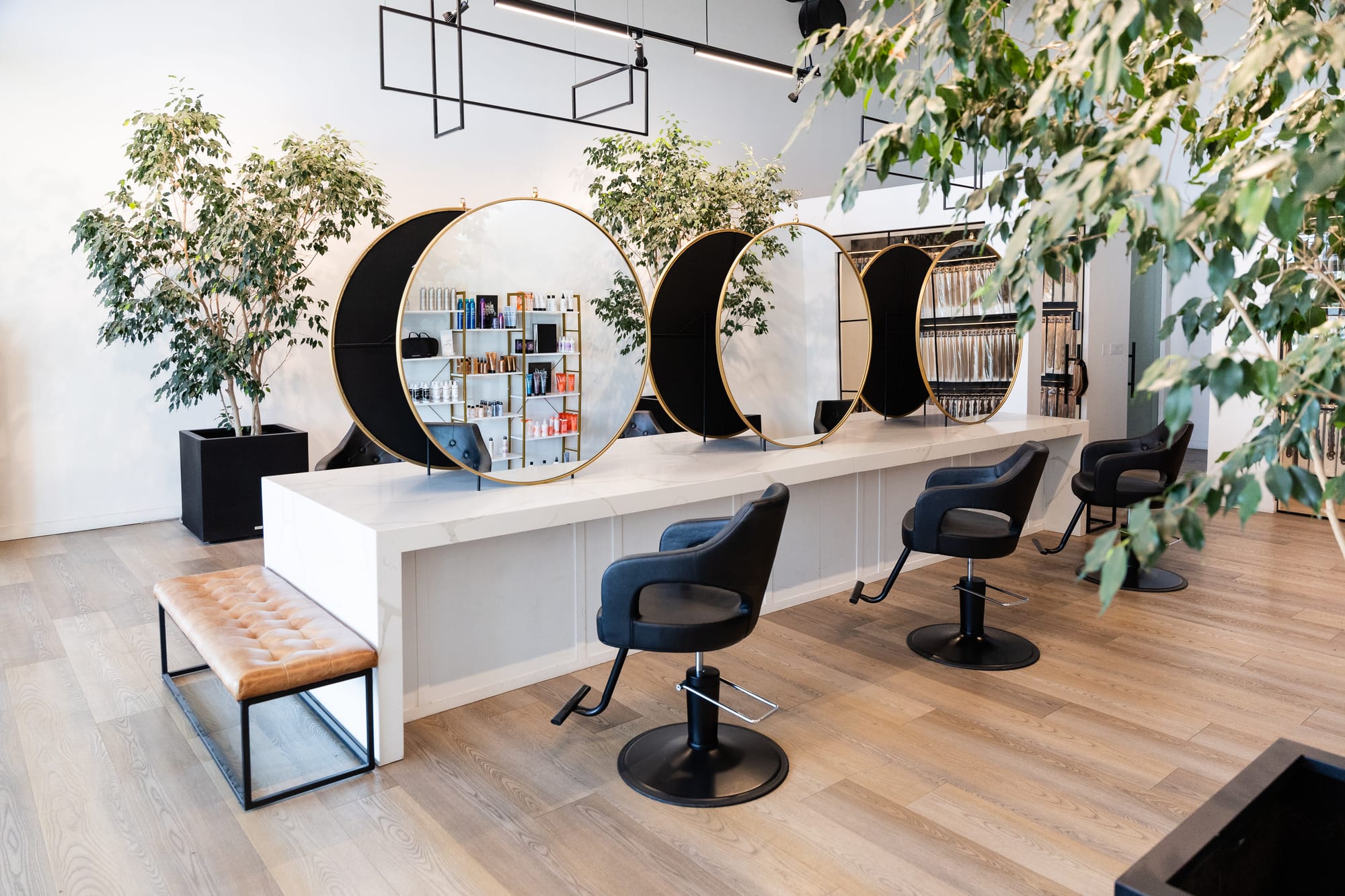
Scottsdale, the flagship (1,150 square feet, 6 stylist stations, open since 2011), generated $1,336,934 in gross sales. After COGS and operating expenses, it landed at $403,586 in net profit, representing a 30% net margin. Accounting for imputed royalties and technology fees that a franchisee would pay, the adjusted net profit was $309,041, or approximately 23%.
Desert Ridge (1,350 square feet, open since 2022) posted $969,247 in gross sales and $212,210 in adjusted net profit, an adjusted margin of nearly 22%.
Chandler (1,600 square feet, open since 2019) brought in $1,161,827 in gross sales and $264,123 in adjusted net profit, also near 23%.
Across all three locations, the average gross sales were approximately $1.16 million and the average adjusted net profit margin was about 22.5%.
A few important notes on these figures. These are company-owned salons, not franchised ones. The adjusted net profit calculation includes imputed royalties (7% of gross sales) and technology fee differences, but the $3,000 per month local marketing minimum required of franchisees is not reflected as an additional cost because the company-owned salons already spend at or above that threshold on advertising. Results for franchisees will differ based on their own market, management, and execution. You should read Item 19 in full and discuss these numbers with a franchise attorney and an accountant before drawing any conclusions.
That said, three locations averaging over $1.1 million in gross revenue in a purpose-built, single-service model is a data point worth paying attention to.
What You Are Investing In
A single Dakota London salon requires total investment between $372,350 and $523,350. That range covers build-out, equipment, initial inventory, training, and working capital. The initial franchise fee is $49,500, with a veteran discount to $44,550. Ongoing royalty is 7% of gross sales. There is currently no brand fund assessment, though the FDD reserves the right to charge up to 2%. Franchisees are required to spend a minimum of $3,000 per month on local marketing. Technology fees run between $386 and $503 per month.
For investors interested in developing multiple locations, area development agreements are available covering two to six salons. That investment range is $412,350 to $628,350 for the ADA structure.
Each territory is built around a minimum population of 100,000 women, with a targeting preference for markets where at least 10% of women have household incomes exceeding $100,000. The brand specifically targets women ages 17 to 70, and the FDD notes that sales are not seasonal.
Stylists must hold active cosmetology licenses and complete Dakota London training. The brand trains them on its specific installation methods. Products sold and used in the salon must come almost exclusively through affiliate DKL Products, which handles approximately 90% of required purchases.
What You Need to Know Before You Sign
The FDD flags six areas that deserve careful attention. Dakota London describes itself as an early-stage franchise system, which means there is limited track record to evaluate how franchisees perform beyond the company-owned model. The FDD also discloses statements about the franchisor's financial condition, which prospective buyers should investigate thoroughly with professional guidance. Spousal liability is included, meaning a franchisee's spouse or domestic partner may be required to personally guarantee the franchise obligations.
The supplier relationship with DKL Products warrants scrutiny. Approximately 90% of your product purchases will flow through an affiliate of the franchisor. That is not unusual in franchise systems, but it is something to understand clearly, including the pricing terms and any markup involved. Dispute resolution is handled in Maricopa County, Arizona, regardless of where you operate. And the $3,000 per month local marketing commitment is a floor, not an optional line item.
None of these flags disqualify the opportunity. They are the things a serious buyer should examine carefully.
Who This Is For
Dakota London is not an opportunity for someone looking for a diversified beauty business. It is a bet on focus. You are walking into a market where most women who want hair extensions are currently going to general salons staffed by stylists who do extensions as one of twenty services they offer. Dakota London's model is to own that client completely, with certified specialists, proprietary products, and a 120-day quality guarantee. The consumer reviews across existing locations bear that out, with a 5.0 average across more than 1,176 reviews.
If you are an investor who believes that niche beats general in a crowded service market, that women in your area will pay premium prices for premium extensions done right, and that you can manage a licensed service business staffed by cosmetologists, this brand is worth exploring.
It is early. That carries first-mover risk. It also means you can still get in ahead of the crowd and help shape the future of the company as part of the founding cohort of franchisees.
The first step in evaluating the Dakota London franchise opportunity is to schedule a 20-minute Zoom meeting for a review of the brand, business model, economics, territory availability, due diligence process, and funding options.
Will Huffhine is a business ownership strategist and founder of Quantum Franchise Group. He works with professionals exploring franchise ownership, business acquisition and entrepreneurship and leads a national team of franchise consultants.