Most People Don’t Actually Want Entrepreneurship; They Want Control

– 4 min read


Hi, I’m Will, the guy who helps people disappear their bosses. Legally, of course.
What I’ve learned, after years of listening carefully, is that most of them weren’t actually describing entrepreneurship. They were describing a feeling. A very specific feeling that has nothing to do with profit margins or business plans or market share.
They wanted to stop asking permission.
The Myth of the Entrepreneurial Dream
We’ve romanticized entrepreneurship in this country to the point where the word itself has become a kind of aspirational identity. People say “I want to be an entrepreneur” the way they might say “I want to be an artist.” It sounds like a calling. It sounds like freedom. It sounds like finally becoming the fullest version of yourself.
But when you sit across from someone and ask them what they actually mean, the answers are almost never about building the next great company or disrupting an industry. They sound more like this:
“I want to decide when I work.”
“I want to stop having my income capped by someone else’s budget.”
“I want to build something my kids can inherit.”
“I want to know that what I’m building is mine.”
Those are not descriptions of entrepreneurship in the startup sense. They are descriptions of control. Autonomy. Ownership. The desire to be the one making the decisions that shape your own life, rather than executing someone else’s decisions about theirs.
That distinction matters more than most people realize.
Why the Confusion Costs People Years
When someone believes they need to become a classic entrepreneur to get what they actually want, they talk themselves out of action almost immediately. They think about the garage startup, the sleepless nights, the years of losses before the payoff, the 90% failure rate they read about somewhere. They decide the risk is too high, the timing isn’t right, they don’t have the right idea, they’ll wait until they do.
And so they go back to the job. Back to the salary that has a ceiling. Back to the performance review that determines their worth. Back to the quiet discomfort of building someone else’s future while theirs waits on hold.
What they never consider is that what they were actually looking for was never a startup in the first place. It was ownership. And ownership comes in more than one form.
What Control Actually Looks Like
Here is something I tell people early in our conversations, and it tends to reframe everything that follows.
You do not have to invent something to own something.
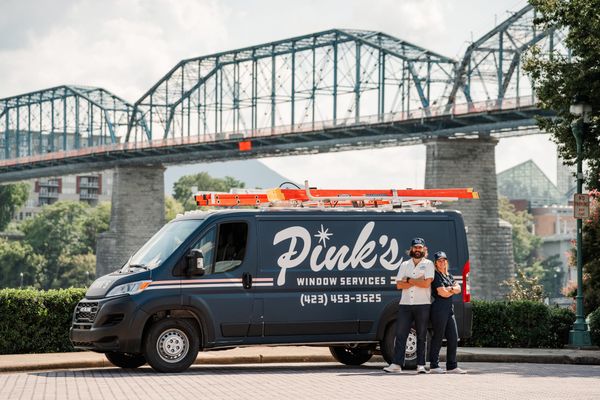
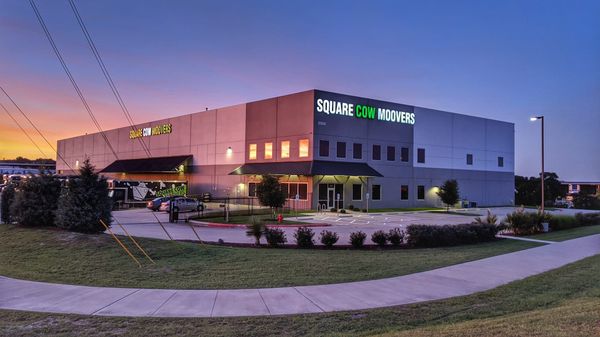
Franchise ownership is, at its core, the acquisition of a proven system and the right to operate it in your market. The product exists. The brand exists. The training exists. The operational playbook exists. What doesn’t exist yet is you, in your city, running that business and building equity in something that belongs to you.
That is not the romanticized version of entrepreneurship. It is something better, in many respects. It is entrepreneurship with a safety net. The trial and error has already happened. The concept has already been proven. Your job is execution, leadership, and ownership, not invention.
And execution is something that well-trained, experienced professionals are very, very good at.
The People Who Actually Make This Work
The clients I love working with are not people who woke up with a revolutionary idea. They are people who got tired of the ceiling. A corporate manager who realized her skills were making her employer wealthy while her own net worth barely moved. A sales director who could close anything and finally asked why he was closing deals for someone else’s company. A veteran who knew how to lead a team and build a culture and wanted to do it for himself.
None of them needed to become a different person to become a business owner. They needed a vehicle that matched what they already were.
That is what the right franchise does. It doesn’t ask you to become someone new. It asks you to show up as the capable, experienced, driven person you already are, and apply that person to something you actually own.
The Question Worth Sitting With
If someone handed you a proven business in your city tomorrow, with training, support, a recognizable brand, and a clear operational system, and told you that you could own it and build equity in it and pass it to your children, would you still say the timing isn’t right?
Most people, when they’re honest, say no.
The timing argument is usually a control argument in disguise. People don’t want to wait for a better time. They want to feel like the decision is theirs to make. That they are the ones choosing, not being chosen for.
Here’s what I want you to hear. That feeling, that desire to be the one in the driver’s seat, is not a personality flaw. It’s not impatience or arrogance or fear dressed up as ambition.
It’s the most natural thing in the world.
And there is a version of your life where you actually get to live it.
I help people find that version. If you’re ready to start the conversation, you know where to find me.
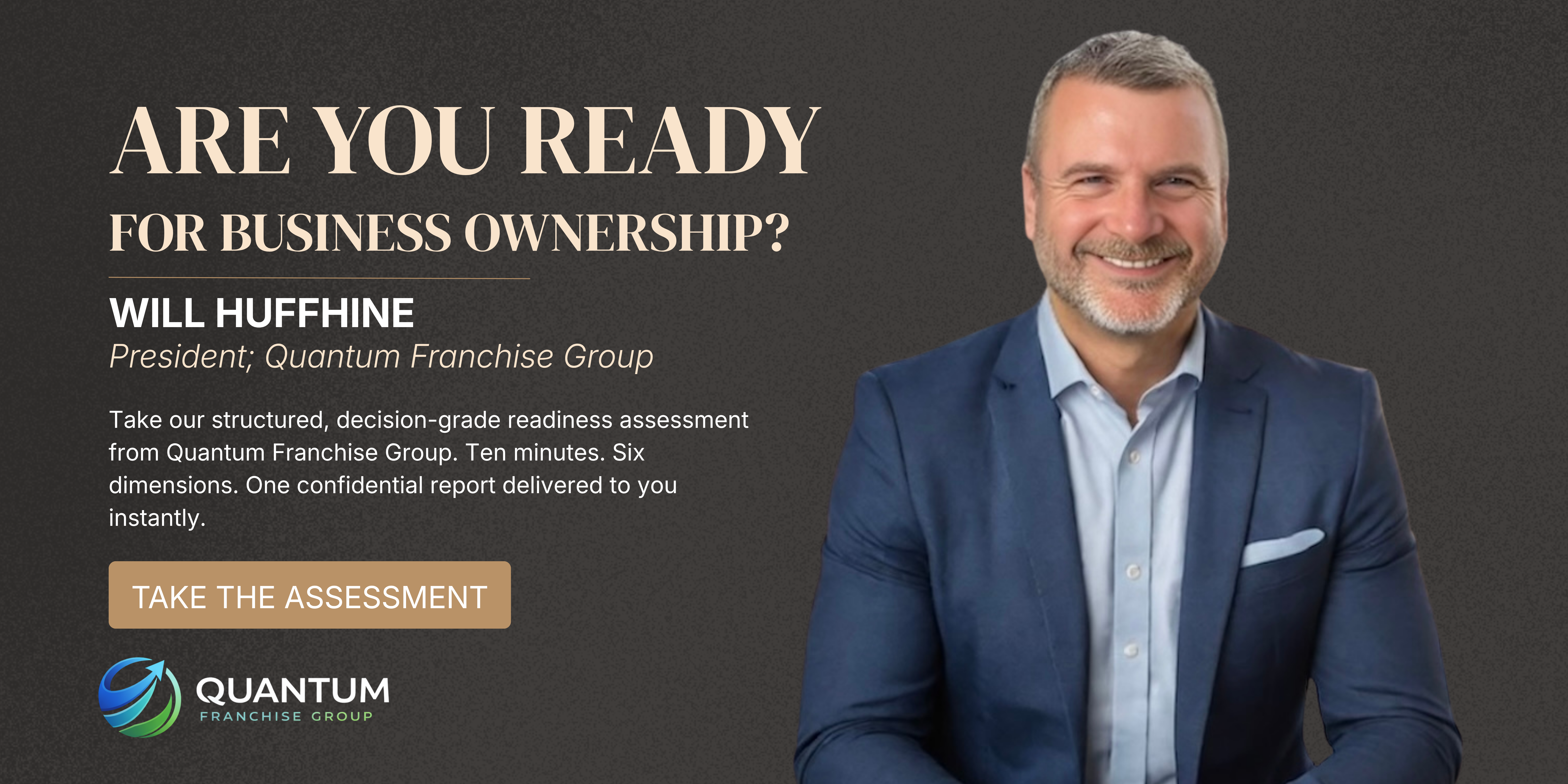
Will Huffhine is the President of Quantum Franchise Group. Schedule a conversation at acallwithwill.com.