We Didn’t Hire Our GM as a GM
For someone considering a home service business, I think the useful question is: Who will own sales, who will own service delivery, and what can the business afford while it grows?

– 4 min read

For someone considering a home service business, I think the useful question is: Who will own sales, who will own service delivery, and what can the business afford while it grows?
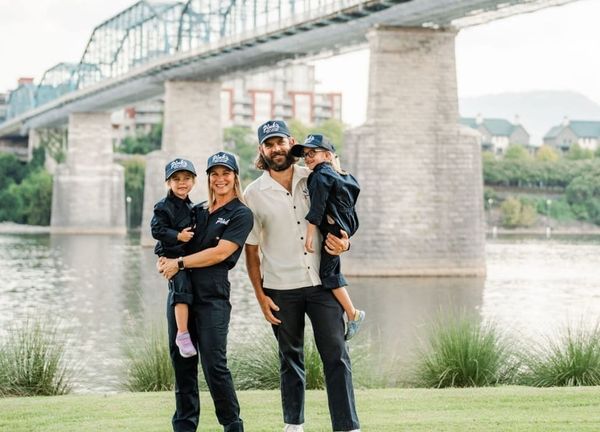
My husband Mike and I are multi-territory owners with Pink's Window Cleaning. We hired our future general manager as a salesperson. When we were getting ready to open Pink’s, someone applied with a background in window installation sales and commercial pest control. He had experience with door-to-door sales and cold calling.
We needed someone who could answer leads, follow up with customers, give quotes, and get jobs on the calendar. That was the role we hired him to fill.
Mike focused on the technicians; learning the work alongside them, making sure they had what they needed, and checking that we were delivering a great experience for our customers.
That division of responsibilities became the foundation for how we grew.
In a home service business, there are two big functions you have to cover from the beginning. Someone has to sell the work. And someone has to deliver it.
Whether you’re cleaning windows, painting houses, or installing something, you need customers who are willing to pay, and a team that does the job well enough to earn their next booking or referral.
There’s plenty of administrative work around those two functions, too. But when we were starting, separating sales from service delivery helped us make the workload more manageable.
Mike and I were both able to give the business substantial time in the beginning, although it didn’t require 40 hours a week from each of us. Mike’s blue-collar background made him comfortable learning the service side and working with the technicians.
Hiring someone to handle sales meant he could focus on that work while also preparing for our next location. We didn’t need someone to manage the entire business on day one. We needed someone to take ownership of an important part of it.
Over time, our salesperson showed us that he was reliable. He followed through. He learned the sales side of the business and demonstrated the qualities we wanted in a leader.
By the time we turned our attention to North Metro Atlanta, promoting him to GM of our first location felt like a natural next step. We had already seen how he worked.
We’ve seen something similar with one of our best technicians, who now helps train new hires. Sometimes you hire someone to fill an immediate need, and their work shows you where they could grow next. That doesn’t mean every good salesperson or technician will want to become a manager. But it has taught us to pay attention to the people already on our team.
When we opened North Metro Atlanta, we did hire a GM from the beginning. But we told him to initially focus on sales. Meet customers. Give quotes. Follow up. Get revenue on the books.
Mike went down to help with the technicians and service delivery. As the GM got established, more of the responsibility for managing the technicians could move underneath him. Even with the GM title, we wanted to give him a clear starting point. There is a lot to learn in a new business, and everything can feel urgent.
If you’re an owner-operator, you might spend your morning giving quotes, then drive back to a job to check the quality of the work. You’re talking to the customer, asking about a recurring service plan, and answering the next lead in between. That night, you’re running payroll, putting together a Facebook post, checking your Google Business Profile, and following up for reviews.
Every one of those tasks matters. Together, they can fill your entire day. You can grow gradually and keep doing those jobs yourself until the business supports another hire. Or you can hire earlier and create room to take on more work.
Either way, there’s a tradeoff.
We hired a salaried salesperson before the business generated enough revenue to fully cover his cost. That meant carrying payroll while revenue caught up. Hiring early helped make expansion possible, but it also put pressure on profitability.
We had a long-term vision and cash available to support the business through that early period. That was part of our plan, and it mattered just as much as finding the right person.
For someone considering a home service business, I think the useful question is: Who will own sales, who will own service delivery, and what can the business afford while it grows?
You may be able to cover one of those roles yourself. You may need to hire for both. And the person who eventually runs your business may start by doing one part of it really well.
That’s how it happened for us.

If you've been exploring franchise ownership and want to learn from someone who understands it from the perspective of both a franchise consultant and a franchise owner, Diana I'd welcome an opportunity to speak with you.