The Business That Turns Ugly Driveways Into a Beautiful Income
Thirty-three years of franchise history. No litigation. No bankruptcy. A 10x increase in system revenues since 2007. A 33% EBITDA profile on the corporate unit. A closing ratio above 50%.
Let me be honest with you about something. When I first heard "asphalt sealcoating franchise," I almost skipped it.
It doesn't have the flash of a food concept or the buzz of a tech-enabled service. There's no Instagram-worthy before-and-after reel you'd expect from a brand trying to attract franchise buyers in 2026.
And then I spent time meeting with the leadership and opened the FDD.
Jet-Black International has been franchising since April 1993 — that's 33 years of operating history. They're sitting at 47 franchisees across 117 territories in 21 states, they've completed over 500,000 projects, and their system-wide gross revenues crossed $30 million in 2025. That's up from $3 million in 2007. Let that land for a second.
$534KAvg. gross revenues (Jet-Black only units, 2025)
$426KMedian gross revenues (2025)
33%EBITDA margin (corporate unit, 2025)
10×System sales growth, 2007 to 2025
Not every franchise gets a decade of uninterrupted growth.
Jet-Black didn't just survive 2008, 2020, and everything in between, they grew through all of it. That's a story worth paying attention to.
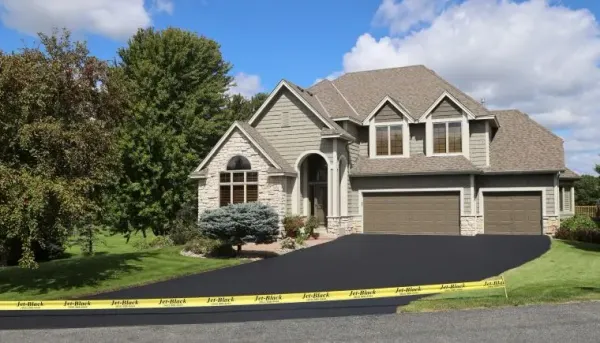
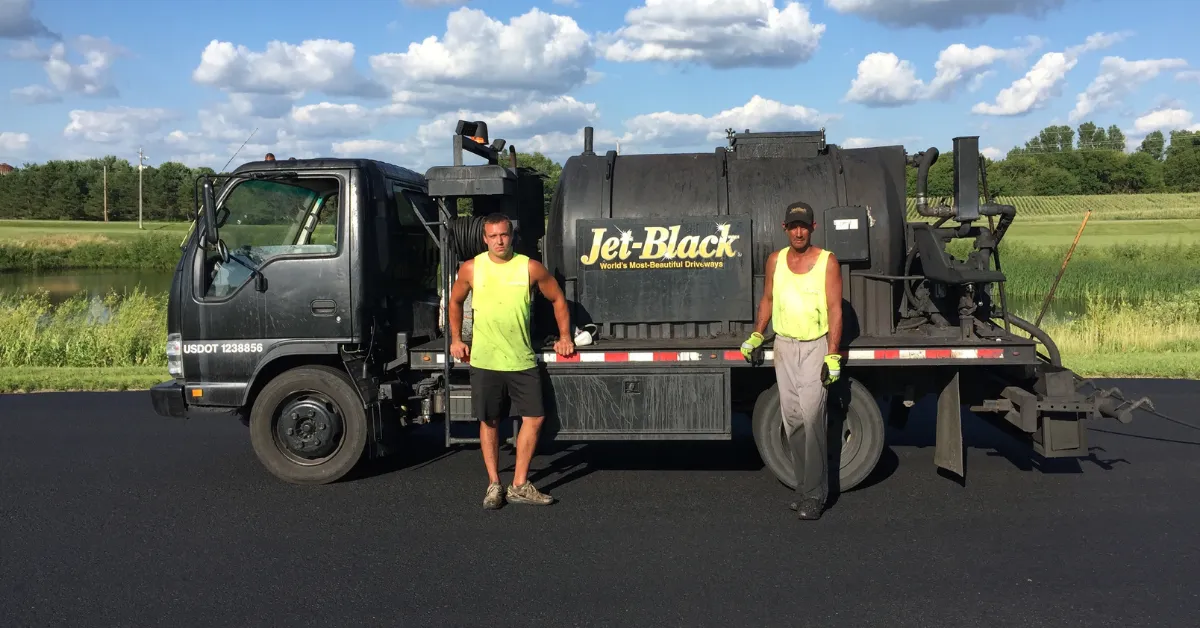
Jet-Black franchisees provide asphalt maintenance services, sealcoating, crack filling, patchwork, and parking lot striping, to both residential homeowners and commercial properties. You're not building anything. You're protecting what's already there. Driveways, parking lots, HOA communities, retail centers, government properties. The customer already has asphalt. It's already degrading. You show up with a trailer rig and make it look new.
Each territory is built around a minimum of 20,000 single-family residences with household incomes of $100,000 or more, the demographic that both wants the service and can afford to pay for it. The business runs April through October in most markets (some year-round in the Sun Belt), which means you're working roughly six to seven months to generate your full-year income. For a lot of the buyers I work with, particularly those transitioning out of demanding corporate careers, that rhythm is a feature, not a bug.
💡
"You're protecting what's already there. The customer already has asphalt. It's already degrading. You show up and make it look new."
The average job price in 2025 was $1,126, up from just $311 in 2008. That's not inflation alone. That's a franchise system that figured out how to move up-market. And in 2025, franchisees collectively completed 26,580 jobs at a 54% closing ratio across nearly 50,000 quotes. More than half the people who asked for a price said yes.
The Investment Breakdown
Here's what you're looking at to get in:
Fee Item
Amount
Initial Franchise Fee (1st Territory)
$48,000
Sealcoating Rig (425-gallon custom trailer)
$21,584
Initial Inventory Package
$28,038
Opening Support Fee
$5,000
Working Capital and Other Costs
$7,450 to $76,400
Total Investment (1 Territory)
$110,072 to $179,022
Royalties are tiered by job size, ranging from 8% on small jobs under $2,000 down to 1.5% on jobs over $100,000. That's a smart structure because it rewards franchisees who land bigger commercial contracts. You're also required to spend at least $20,000 per year per territory on local marketing, but Jet-Black's system provides residential direct mail, Google Ads, ValPak, and email campaigns to get you there.
What the Corporate Unit Actually Earned
This is where it gets interesting. Jet-Black operates one corporate location in Minnesota across three territories, and they disclosed a full adjusted income statement for 2025. Gross revenues came in at $822,184. After subcontracted work and cost of goods, they hit a gross profit of $530,308 — a 71.8% gross margin. After operating expenses, the corporate unit produced EBITDA of $244,102, or about 33% of in-house revenues.
That's meaningful. A 33% EBITDA margin on a home-based, equipment-in-a-trailer service business with no commercial real estate overhead is a compelling number. I've reviewed FDDs for businesses with far heavier infrastructure that don't come close to that margin profile.
Read Carefully
The FDD's Special Risks section flags that Jet-Black's financial condition "calls into question the franchisor's financial ability to provide services and support." This is a standard disclosure requirement for some states, but it means you should review Item 21 (their audited financials) carefully before signing anything. This doesn't disqualify the opportunity, but it's a due diligence checkpoint, not a footnote to skip.
Who This Is For
The franchise candidates I'd want talking to Jet-Black are people who want a tangible, outdoor business with real recurring revenue potential — not someone chasing the hottest brand of the moment. This works especially well for a few buyer types I know well.
First, the semi-absentee buyer who wants to start owner-operator and transition to a managed model over time. Jet-Black doesn't require your daily presence — you can hire a General Manager once you've scaled. Second, the veteran or active-duty spouse who wants a business with clear systems and operational discipline. Jet-Black has a straightforward playbook, equipment, territory, marketing, execution. Third, the career transitioner who wants to own a true asset: a real route-based business with a customer base in their own backyard, not a service concept dependent on foot traffic or a lease.
The seasonal model cuts both ways. If you want year-round activity, you'll need to either be in a warm-weather market or layer in Yellow Dawg Striping (their commercial parking lot striping brand) to extend your revenue window. If a compressed work season appeals to you, half the year building the business, half the year breathing, this structure fits.
My Take
Thirty-three years of franchise history. No litigation. No bankruptcy. A 10x increase in system revenues since 2007. A 33% EBITDA profile on the corporate unit. A closing ratio above 50%. These aren't marketing claims, they're numbers from a federal disclosure document signed under penalty of law.
Is Jet-Black the right fit for everyone? No. If you want brand recognition at the consumer level, this isn't it. If you want a franchise with robust franchisor cash reserves (that FDD flag is worth noting), do your homework first. But if you want a business that solves a universal, recurring problem, asphalt deteriorates everywhere, every year, and you want a system with real operating history behind it, Jet-Black deserves a serious look.
I've reviewed a lot of FDDs. The ones that make me lean forward tend to have long operating histories, clean litigation records, and financials that match the story the brand tells. Jet-Black checks those boxes. The rest is up to the right buyer.
The next step in evaluating the Jet-Black franchise opportunity is to meet with Will Huffhine via Zoom for 20 minutes to review the brand, business model, economics, due diligence process, and funding options.
Will Huffhine is a business ownership strategist and founder of Quantum Franchise Group. He works with professionals exploring franchise ownership, business acquisition and entrepreneurship and leads a national team of franchise consultants.